Introduction to Safari Photography
Safari photography presents a unique blend of adventure and artistry, offering enthusiasts the opportunity to capture the vibrant essence of wildlife in its natural habitat. The excitement of encountering majestic animals, from graceful elephants to elusive big cats, is unlike any other. However, this exhilarating experience comes with its own set of challenges that demand careful consideration, particularly when it comes to equipment selection.
One of the primary challenges of safari photography is the need for a camera capable of delivering exceptional performance in long-distance shots. Wildlife often inhabits vast and open landscapes, requiring photographers to be adept at capturing subjects from a distance. In addition, the vibrancy of wildlife colors and the dynamic nature of animal behavior necessitate a camera that can maintain a high level of clarity and detail, even at varying distances.
As we venture into 2025, the landscape of safari photography equipment continues to evolve. Technological advancements have introduced a range of cameras specifically designed to meet the demanding requirements of wildlife photographers. Features such as faster autofocus systems, improved optical zoom capabilities, and enhanced image stabilization have become essential in ensuring that each moment is captured with precision. Photographers today have an impressive selection of options at their disposal, but this can also lead to confusion when trying to determine which camera best suits individual needs.
When selecting a camera for safari photography, several key factors should be taken into account. It is advisable to consider aspects such as sensor size, lens versatility, durability, and weight. These factors will play a critical role in facilitating the capture of breathtaking images while navigating the varying conditions of a safari environment. In this blog post, we will delve deeper into the best safari cameras of 2025 and provide insights on how to choose the right one for your expedition.
Top 6 Cameras for Safari in 2025
As wildlife photography continues to evolve, having the right camera for safari adventures is essential. Below, we explore the six best cameras for safari in 2025, each offering unique features tailored for capturing stunning images in diverse conditions.
The first recommendation is the Canon EOS R7. With a 32.5 MP APS-C sensor, this camera provides exceptional detail, making it ideal for capturing distant wildlife. Its 15 fps continuous shooting speed ensures that you won’t miss the perfect shot, while its rugged weather-sealed body offers durability during unpredictable weather conditions.

- Included Items: 1 x Canon EOS R7 Mirrorless Camera with 18-150mm Lens, 1 x Lilliput A7S 7″ Full HD Monitor, 1 x Rode Vid…
- An ideal blend of performance and portability, the EOS R7 represents Canon’s move into APS-C with the mirrorless R syste…
- 32.5MP APS-C CMOS Sensor and DIGIC X Processing APS-C Comes to EOS R Balancing resolution, speed, and low-light performa…
- DIGIC X Processor Borrowed from the R3, the R7 sports a DIGIC X image processor to perform a variety of high-speed tasks…
- Top Features: 32.5MP APS-C CMOS Sensor – Dual Pixel CMOS AF II – 4K60 10-Bit Video, HDR-PQ & C-Log 3 – 30 fps E. Shutter…
Next is the Nikon Z9, equipped with a 45.7 MP full-frame sensor. This flagship mirrorless camera excels in low-light situations thanks to its impressive ISO range. With exceptional autofocus that quickly locks onto moving subjects, the Z9 is perfect for fast-paced safari instances such as tracking leopards or cheetahs in action.
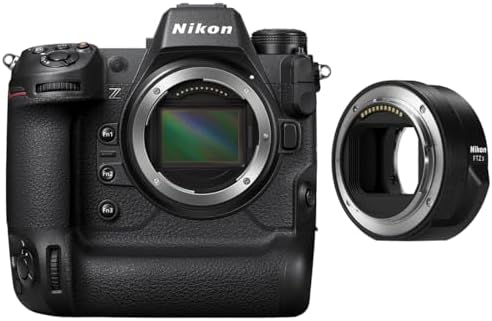
- 45.7 megapixel stacked CMOS sensor
- Included Nikon FTZ II Mount Adapter
- 8K Video resolution and internal recording
For those seeking a compact option, the Fujifilm X-T5 is a standout choice. This camera merges portability with a 26.1 MP APS-C sensor, and its in-body image stabilization assists in capturing steady images, even when on the move. The X-T5 also boasts a battery life capable of handling long excursions, crucial for extended days in the wild.
The Sony A7 IV presents a versatile option with its 33 MP full-frame resolution and advanced autofocus capabilities. Its extensive 10 fps burst shooting speed allows photographers to capture the swift movements of wildlife effectively. Additionally, the A7 IV features dual card slots, which ensure that your memories are safeguarded.


The Olympus OM-D E-M1 Mark III is particularly noted for its weather resistance and lightweight design, making it ideal for safaris that involve hiking and extended periods of use. The 20 MP sensor, coupled with the powerful 121-point autofocus system, provides both clarity and precision for dynamic wildlife scenes.
Finally, the Panasonic Lumix GH5 II rounds out our list. Known for its video capabilities, this camera also performs well in photography, offering a 20.3 MP Micro Four Thirds sensor. Its advanced image stabilization mechanism ensures that both photo and video capture are crisp and clear, making it suitable for documenting everything from flora to fauna.

- 20 MP Live MOS Sensor
- Always-on connection and background connection via Bluetooth & OI Share Smartphone app

- Included Items: 1 x Panasonic Lumix GH5 II Mirrorless Camera with 12-60mm Lens, 1 x Lilliput A7S 7″ Full HD Monitor, 1 x…
- Boasting updated video capabilities and a refined design, the Panasonic Lumix GH5 II provides a professional-quality ima…
Each of these top-tier cameras delivers distinct advantages for safari photography, allowing enthusiasts to capture breathtaking moments in the wild effortlessly. Choosing the right one will ultimately depend on personal preferences and specific shooting needs.
Key Features to Look for When Choosing a Safari Camera
Choosing the right safari camera is crucial, as it directly impacts your ability to capture stunning wildlife imagery. The first vital attribute to consider is lens versatility. Safari environments often demand a range of focal lengths to photograph animals from various distances. A camera system that offers interchangeable lenses with long telephoto options is advantageous for close-up shots of distant wildlife without disturbing their natural habitats.
Another critical feature is autofocus performance. In the ever-changing and sometimes unpredictable conditions of a safari, a camera with fast and reliable autofocus capabilities ensures sharp images, particularly when photographing moving subjects. Look for cameras equipped with advanced autofocus systems that provide multiple focus points and tracking capabilities. These features significantly enhance your chances of capturing that perfect moment.
Weather sealing is an essential consideration as well. Safari conditions can vary dramatically; rain, dust, and extreme temperatures can pose challenges. Thus, selecting a camera that is designed to withstand harsh environments can protect your investment and ensure that you can shoot regardless of weather conditions. This durability allows photographers to concentrate on their experience without the anxiety of damaging their equipment.
Weight is an often-overlooked factor, but it can significantly affect the overall safari experience. A bulky and heavy camera can become cumbersome during long treks, so choosing a lightweight yet robust camera is advantageous. This consideration complements ease of portability without sacrificing image quality.
Finally, ISO performance is paramount when shooting in varying lighting conditions that are typical of safari environments. A camera that excels in high ISO ratings will allow for shooting in low light, such as early morning or late evening, without excessive noise. Balancing budget with these key features is essential. By considering your specific photography needs and environment, you can make an informed decision that aligns both quality and affordability in your safari camera selection.
Accessories and Tips for Aspiring Safari Photographers
A successful safari photography experience hinges not only on the choice of camera but also on the essential accessories that enhance the overall shooting experience. One critical accessory is the lens. Photographers venturing into wildlife territories should consider a versatile zoom lens with a long focal length, ideally 200mm or greater. This allows for capturing wildlife from a distance without disturbing their natural behavior. Additionally, investing in a prime telephoto lens can significantly improve image quality and performance in low-light situations, which is particularly useful during dawn or dusk, the prime times for animal activity.
Another vital accessory is a sturdy tripod or monopod. Given the often bumpy conditions of safari vehicles, these tools provide stability for shooting long exposures or telephoto shots. A tripod is essential for landscape photography as well, ensuring crisp, clear images of the stunning environments. For added convenience, a lightweight, portable camera bag will protect gear while allowing for quick access to equipment, especially when a fleeting wildlife moment arises.
Beyond accessories, aspiring photographers should embrace certain shooting techniques to elevate their craft. Composition is paramount—consider the rule of thirds, leading lines, and framing to create more dynamic images. Patience is equally important; wildlife photography often requires waiting for the perfect moment, so immersing oneself in the environment can considerably enhance the shooting experience. Practicing these techniques ahead of time will increase confidence and result in more compelling photographs.
Ultimately, preparation is key. Researching the specific wildlife, understanding their behaviors, and practicing photography skills will contribute to a fulfilling safari adventure. By equipping oneself with the right accessories and honing technical skills, photographers significantly increase their chances of capturing breathtaking moments in the wild.