Introduction to Smartwatches and Blood Pressure Monitoring
Smartwatches have evolved from simple timekeeping devices to advanced multifunctional health monitors that play a significant role in personal well-being. One of the paramount features gaining traction is the ability to measure blood pressure, an essential factor in health management. With the rising prevalence of hypertension, the demand for accurate and user-friendly blood pressure monitoring solutions has surged, making smartwatches an appealing option for health-conscious individuals.
Modern smartwatches employ sophisticated sensors and algorithms to provide users with reliable blood pressure measurements, enabling timely insights into their cardiovascular health. These devices amalgamate various functionalities, including fitness tracking, heart rate monitoring, and sleep management, thus promoting a holistic approach to health. The integration of accurate blood pressure monitoring within smartwatches signifies a monumental shift towards preventive healthcare, where individuals can proactively manage their conditions.
It is crucial, however, to understand that not all smartwatches are created equal regarding blood pressure monitoring capabilities. Users must look for devices that are certified and validated, ensuring that the measurements obtained are both accurate and reliable. Manufacturers have made significant advancements in the technology used for these measurements, significantly reducing inaccuracies and enhancing the user experience. Smartwatches now leverage cutting-edge innovations such as photoplethysmography and oscillometric methods to capture and analyze blood pressure data more efficiently than ever before.
As technology continues to advance, the role of smartwatches in health monitoring is expected to expand further. With a commitment to accuracy and user-friendly interfaces, these devices are poised to become an invaluable tool in managing blood pressure, promoting a better quality of life for millions worldwide. Proper knowledge of these features will enable users to take full advantage of their smartwatches as effective health monitoring devices.
Criteria for Evaluating Smartwatches with Blood Pressure Monitoring
When selecting a smartwatch that offers blood pressure monitoring, there are several crucial criteria to consider ensuring that the device meets health needs effectively. One of the primary factors is accuracy. Users need to choose a smartwatch that has undergone rigorous testing and validation, as inaccuracies in blood pressure readings can lead to misinformed health decisions. Devices that are clinically validated should be prioritized, as they offer a higher degree of reliability.
Certification is another critical criterion; smartwatches that carry appropriate regulatory approvals, such as those from the FDA or CE, are more likely to provide trustworthy measurements. These certifications indicate that the device meets the necessary health and safety standards. Additionally, it is important to assess the user-friendliness of the smartwatch. A clear and intuitive interface not only enhances the user experience but also ensures that individuals can easily access and interpret their blood pressure data without complications.
Beyond blood pressure monitoring, extra health features can add significant value to a smartwatch. Features like heart rate monitoring, sleep tracking, and activity monitoring provide a more comprehensive picture of overall health. Battery life is another essential aspect; users should select devices with robust battery performance to ensure that their smartwatch remains functional throughout the day without requiring frequent recharging.
Lastly, the design of the smartwatch is not merely aesthetic; it impacts the comfort and practicality of wearing the device regularly. A well-designed smartwatch should be lightweight, stylish, and comfortable to wear throughout the day, making it more likely for users to engage with its features consistently. By considering these criteria carefully, individuals can make informed choices that best suit their health monitoring needs with confidence.
Top Smartwatches of 2025 for Blood Pressure Monitoring
The year 2025 has brought forth an exceptional range of smartwatches equipped with advanced features for blood pressure monitoring. As users increasingly seek devices that can offer greater health insights, several models have emerged as standouts in this domain. Below is an overview of the top smartwatches available, highlighting their unique features, the technology utilized for blood pressure measurement, user reviews, and ratings.
Samsung Galaxy Watch Series (Watch6, Watch7, Watch8)
Samsung has steadily improved its cuff-less blood pressure monitoring, which uses optical sensors and pulse wave analysis. The feature requires calibration with a traditional cuff, but once set up, it can provide useful trend data. In supported regions, users appreciate the convenience of having blood pressure, ECG, and heart rate monitoring built into a stylish smartwatch that integrates seamlessly with the Samsung Health app. Ratings average around 4.5 stars, with the main drawback being region restrictions and the need for regular calibration.

- A SMART WATCH WITH CLASSIC STYLE: Galaxy Watch6 Classic features a timeless, iconic look and a bezel that just clicks wi…
- KEEP YOUR GOALS ON TRACK: Workout to your full potential with fitness tracking*; Get insights on duration, distance, cal…
- GET IN THE ZONE: Zone in on the results you want with personalized heart rate zones**; Watch scans your health data to p…

- 1.5″ Super AMOLED, 480x480px ~327ppi, 425mAh Battery, Bluetooth 5.3, Wi-Fi, MIL-STD-810H compliant, 50m/5ATM water resis…
- 32GB, 2GB RAM, Exynos W1000 (3nm), Penta-core, Mali-G68 GPU, Android Wear OS 5, One UI Watch 6. Easily respond to texts …
- Unlock your full potential with Galaxy AI: Track and improve your fitness performance, monitor heart health with precisi…
- WHY GALAXY WATCH8: Advanced health and sleep tracking features.* A lighter, more snug design for all day comfort.* Impro…
- SLEEP SMARTER. LIVE BETTER: Energize your days with a great night’s rest using Advanced Sleep Coaching¹ – improved with …
- YOUR RUN, YOUR COACH: Step up your running routine with a Running Coach³ that analyzes your performance and gives you re…
Huawei Watch D (and Watch D2)
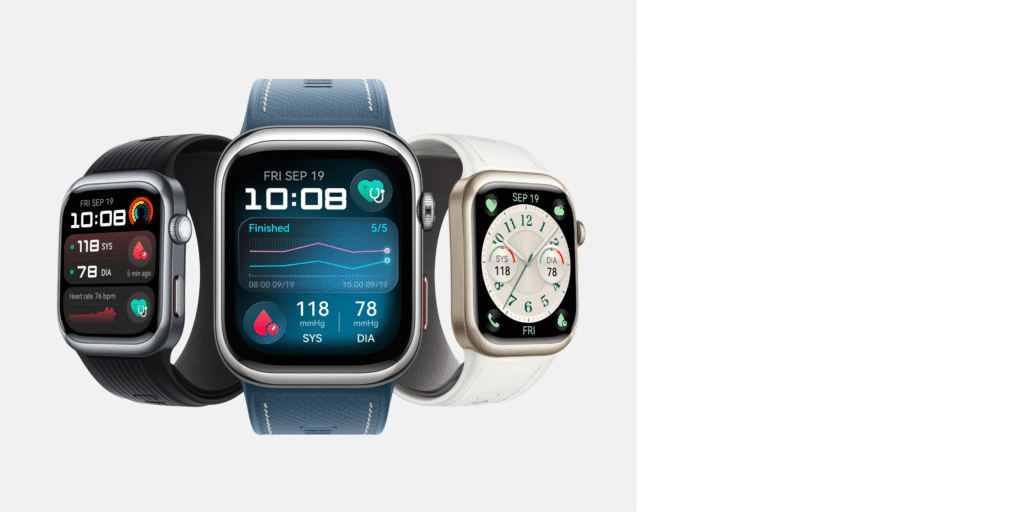
Huawei’s Watch D line is one of the few wearables to use a built-in air pump system, offering a more direct measurement approach compared to optical estimates. It’s compact, comfortable enough for daily use, and has been praised in Asia and Europe for delivering consistent results. Although not FDA-cleared in all markets, it’s gaining recognition as a strong health-focused smartwatch. Reviewers give it about 4.6 stars, noting its balance between accuracy and wearability.
Omron HeartGuide
Though bulkier than most lifestyle watches, the Omron HeartGuide remains unique as the first smartwatch with FDA clearance for blood pressure monitoring. It uses a strap-integrated inflatable cuff to deliver clinically validated readings. Users highlight its reliability and medical credibility, even if it lacks some of the app ecosystem polish of competitors. Ratings average around 4.7 stars, with size and price being the main trade-offs.
Budget and Lifestyle Smartwatches (Xiaomi, Alexa, Oraimo, B31, H80)
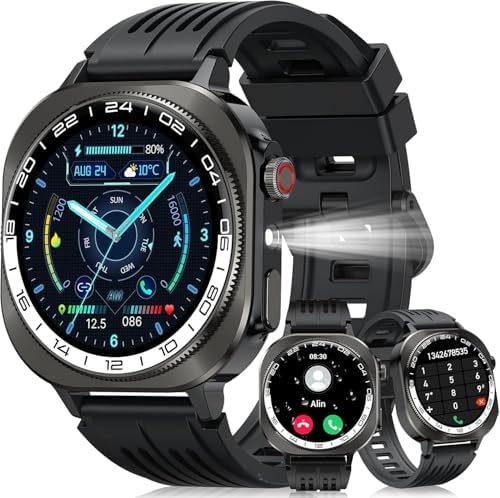
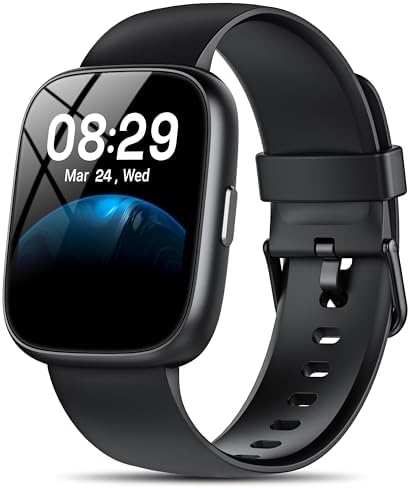
For those seeking affordability, several budget-friendly models like the Xiaomi 2 Pro, Alexa for Fitness, Oraimo Smart Watch 2 Pro, B31 Smartwatch, and H80 Smartwatch advertise blood pressure monitoring alongside heart rate, steps, and sleep tracking. These use optical estimation methods rather than medically validated cuffs, so accuracy can vary. They’re best for casual wellness tracking rather than medical decisions, but users rate them around 4.2–4.4 stars for everyday fitness use.


Final Thoughts
As of 2025, if you want clinically validated accuracy, the Omron HeartGuide is still the top choice, while Huawei’s Watch D and Samsung’s Galaxy Watch series strike a balance between health tracking and smartwatch features. Budget models can be a good entry point for general wellness, but should not replace medical devices for managing blood pressure.
Future Trends in Blood Pressure Monitoring Technology
As we look forward to the advancements in blood pressure monitoring technology within smartwatches, several significant trends are poised to shape the landscape. One of the most promising developments is the emergence of more accurate sensors that leverage advanced materials and innovative designs. These new sensors aim to provide real-time, precise blood pressure readings, thereby enhancing the reliability of smartwatch-based monitoring solutions.
In addition to improved accuracy, the integration of telehealth services is expected to play a pivotal role in the evolution of blood pressure monitoring. This integration allows users to share their health data with healthcare professionals seamlessly, facilitating timely interventions when abnormal patterns are detected. Such connectivity can empower individuals to manage their cardiovascular health proactively, while also streamlining communication between patients and providers, leading to more personalized care plans.
Artificial intelligence (AI) is another critical factor that will likely transform blood pressure monitoring in smartwatches. AI algorithms can analyze vast amounts of data collected over time, allowing for the prediction of blood pressure variations based on user behavior, biometric patterns, and contextual factors. This predictive capability could provide users with actionable insights, enabling them to make informed decisions regarding their lifestyle choices, medication adherence, and stress management.
As these technologies advance, regulatory developments will also play a crucial role in shaping the future of blood pressure monitoring. Stricter guidelines and validation processes may ensure that smartwatches meet the necessary safety and accuracy standards, fostering greater consumer trust in this technology. Furthermore, as smartwatches expand their functionality into broader health analytics, users can expect a more comprehensive understanding of their overall well-being, beyond just blood pressure management.